
Alaska CRNA Locum Tenens Jobs

The case is a scheduled C-section at a 10-bed critical access hospital outside Fairbanks. There is no anesthesiologist on staff, no backup on call, and the nearest tertiary center is more than an hour by air. You review the chart, walk into the OR, and do what you were trained to do.

For CRNAs working locum tenens in Alaska, that level of clinical independence is not unusual. In many of the state’s rural and remote facilities, a CRNA is the sole anesthesia provider, making all clinical decisions from pre-op through recovery, without the layer of physician oversight that most urban anesthesia roles carry.

In a state where access to surgical and procedural care often depends entirely on one clinician being present and capable, that responsibility is real. So is the professional satisfaction that comes with it.

What draws CRNAs to Alaska is not only the scenery, but also the scope of practice.

In practice, that means a scope of practice that reflects full independent function. You are assessing, planning, and managing cases without real-time physician backup. Anesthesia decisions for general surgery, OB, orthopedics, endoscopy, and trauma stabilization all fall within your scope, and you will need to be comfortable making them autonomously. Supervision models vary by facility, and assignments are matched to your experience level and practice preferences.

The settings range considerably. Some shifts are at smaller village-adjacent facilities where cases are episodic, and logistics require flexibility. Others are at regional critical access hospitals with more consistent OR schedules and slightly more structured environments. The pace and case mix will shift depending on where you are placed.

What this environment rewards is a CRNA who is clinically confident working alone, comfortable with limited resources, and adaptable when the situation changes. Alaska rural anesthesia is not a place for someone still looking for close oversight. For those who have the experience and want the autonomy, it is one of the more professionally meaningful assignments available in locum tenens.

Interested in exploring Alaska locum tenens CRNA opportunities?

Connect with our team below or keep reading to learn more about what to expect.

Here is what is typically included in an Alaska locum tenens CRNA assignment:

For many providers researching Alaska locum tenens CRNA salary, the combination of a flexible assignment structure and reduced day-to-day living expenses while on location makes Alaska locum work worthwhile, alongside everything else the experience offers.

Critical Access Hospitals (CAHs)

CAHs are among the most common placement sites for Alaska CRNAs, and the most clinically substantial. These small hospitals, typically 25 beds or fewer, provide inpatient, emergency, and surgical services to communities that have no other hospital access. As the sole anesthesia provider, you are responsible for all cases the facility can take on, from routine general surgery and OB to emergent airway management. Cases may be scheduled or urgent with little notice. These assignments tend to run several weeks or longer, and providers who work them consistently develop strong site familiarity and close working relationships with OR and nursing staff.

Tribal Health Facilities

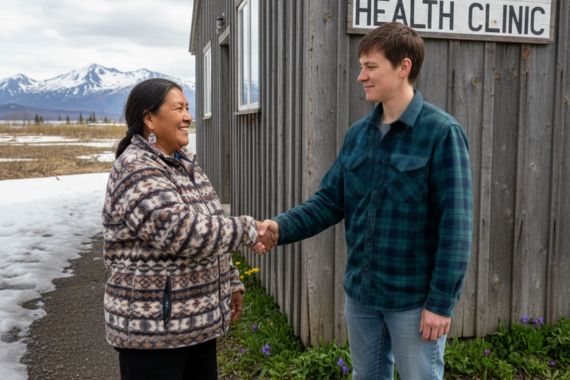
Alaska’s tribal health system is one of the largest tribally operated healthcare systems in the country, serving Alaska Native communities across the state. CRNAs placed at tribal health facilities work within relationship-centered care environments where cultural awareness and consistency of provider presence matter as much as clinical skill. Anesthesia needs at these sites include surgical support, procedural sedation, and OB coverage. Assignments vary in length and structure, and providers who approach these placements with patience and cultural respect often find them among the most rewarding they have done.

Occupational and Industrial Health Sites

Remote work sites, including fish processing facilities, mining operations, and industrial camps, require medical support staff capable of functioning independently with limited backup. CRNAs placed at these sites may provide emergency airway management, procedural sedation, and urgent care support for a workforce that cannot easily access outside facilities. Cases are typically non-elective and require sound clinical judgment under pressure. These are independent practice environments, and the providers who do best in them bring both clinical confidence and the ability to stabilize and transfer when needed.

Regional Hub Facilities

Facilities in larger communities such as Anchorage, Fairbanks, and Juneau offer anesthesia coverage with somewhat more structured team environments and broader resource availability. For CRNAs who want to experience Alaska locum work before committing to a remote posting, regional hub assignments can be a strong entry point. Case volume tends to be higher and more varied, and the logistics of getting to and from the assignment are simpler. These placements often run shorter than remote assignments given the greater accessibility of the location.

Each setting offers a different experience, allowing CRNAs to explore Alaska locum tenens opportunities that align with their comfort level and professional goals.

CRNAs practicing in Alaska must hold a current Alaska Advanced Practice Registered Nurse (APRN) license with a CRNA designation, issued by the Alaska State Medical Board. The timeline varies depending on the completeness of your application and verification requirements, so starting early is advisable.

Basic requirements include:

  • Active RN license in good standing
  • Completion of an accredited nurse anesthesia program
  • Current NBCRNA certification
  • Proof of malpractice history and any disciplinary disclosures

Many providers choose to work with a staffing partner to help navigate the process and ensure everything is submitted correctly and on time.

For full detail, visit the Alaska CRNA Licensing Guide

For CRNAs who have spent years working in team-based urban anesthesia, the shift to sole-provider practice in rural Alaska can feel both challenging and clarifying.

Clinically, Alaska locum work tends to attract CRNAs who want to function at the top of their license without the constraints that come with larger institutional environments. The case mix is varied, the decision-making is yours, and the communities you serve have a genuine need for what you can do. That combination is harder to find in more resource-rich settings.

Outside of work, Alaska is its own draw. Whether you’re looking for wilderness access, the pace of life in small communities, or simply the experience of practicing in a place most people only see in photographs, providers who come to Alaska for a single assignment often find themselves returning. The work brings them back, and so does the place.

6. Current Alaska CRNA Job Openings

Browse current and upcoming CRNA opportunities across Alaska below.

We are sorry, but there are currently no jobs to show.

Every community operates a little differently, and the experience can vary widely depending on the setting, the team, and the type of support in place. Having the right partner can make that transition smoother.

Wilderness Medical Staffing focuses specifically on placing providers in rural and remote communities, with over 15 years of experience supporting healthcare in Alaska.

During that time, we have placed providers across more than 155 communities and supported over 6,000 assignments in rural and remote settings.

Many of the providers we work with return to the same community assignment after assignment. In fact, over 80 percent of our providers choose to go back, building long-term relationships with both their teams and the communities they serve.

When you work with us, you are not just matched with an assignment. You are supported throughout the entire process, including:

  • Assignment matching based on your experience and preferences
  • Assistance with licensing and credentialing
  • Travel and housing coordination
  • Ongoing support before, during, and after your assignment

We take a relationship-based approach, working closely with providers to ensure each assignment is a good fit, not just on paper, but in practice.

We also build structured provider rotations for many of the communities we serve, a model that keeps the same CRNAs returning to the same sites and patients, creating the kind of continuity that one-off locum placements rarely achieve.

Whether you are exploring Alaska for the first time or returning to a community you already know, we are here to help you find an assignment that feels right, both professionally and personally.

What Providers Say

8. Frequently Asked Questions

It depends on the facility and the setting. Alaska has a flexible supervision framework, and many rural facilities, particularly critical access hospitals and tribal health sites, operate with CRNAs as the sole anesthesia provider. In practice, supervision arrangements vary by facility type and individual contract. When we match you with an assignment, we make sure you understand the practice model in advance so there are no surprises on arrival.

Case mix depends heavily on the facility. At critical access hospitals, expect general surgery, obstetrics, orthopedics, and emergent airway management. Occupational health sites lean toward urgent sedation and stabilization. Regional facilities in hubs like Anchorage or Fairbanks offer more varied volume with scheduled surgical services. Remote and rural settings require comfort across a broad range of cases, often without subspecialty backup.

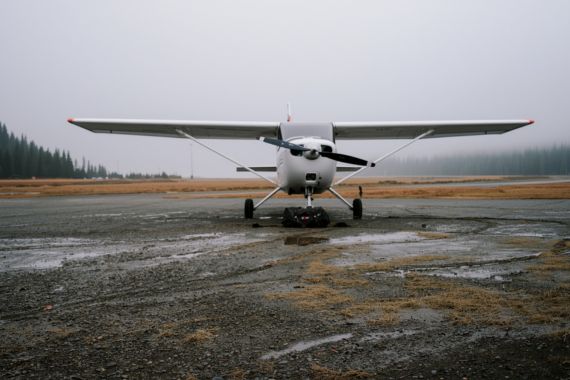
Assignment length varies by facility and location. Remote and rural placements, particularly those requiring fly-in access, tend to run longer, often several weeks at a time, because the logistics of rotating providers in and out of these communities makes shorter stints impractical. Regional hub assignments in more accessible areas tend to be shorter term. We will give you a clear picture of the expected schedule during the matching process.

Some level of independent practice experience is strongly preferred for remote and rural placements. If you have spent your career in a large academic center with close anesthesiologist oversight, a village-adjacent CAH may not be the right first assignment. That said, we have placed CRNAs across a range of experience levels, and we work to match providers with assignments that fit where they are clinically. If you are newer to independent practice, a regional hub or well-supported CAH can be a solid starting point. 

Timelines vary depending on how complete your application is and how quickly verification comes back from other states and credentialing bodies. Starting the process well in advance of your target start date is important. Our team can walk you through what is needed and help you stay on track. For a full breakdown, visit the Alaska CRNA Licensing Guide.

Yes, for the vast majority of assignments. Housing is arranged for the duration of your time on location, and round-trip airfare is coordinated. Per diem is available at some sites. Because many Alaska assignments require travel to communities without commercial lodging options, logistics support is a standard part of how assignments are structured.

We work exclusively in rural and remote healthcare, which means Alaska is not an afterthought for us. It is where we have focused for over 15 years. We know the facilities, we know the communities, and we maintain long-term relationships with both. Many of the CRNAs we place return to the same sites repeatedly because the match was right the first time. That repeat placement model is something we actively build, not just a happy coincidence.

Explore Alaska CRNA Locum Tenens Opportunities

If you are considering locum tenens work in Alaska, we would be happy to connect and help you explore current and upcoming opportunities.