
Montana Physician Assistant Locum Tenens Jobs

It is a Tuesday morning at a small critical access hospital in central Montana, and you are the only provider in the building. There is a rancher in the ER with a hand injury from a piece of equipment, two inpatients to round on before clinic starts, and a walk-in schedule that is already filling up. By noon you will have made a dozen independent clinical decisions, consulted on a transfer, and grabbed lunch between charts.

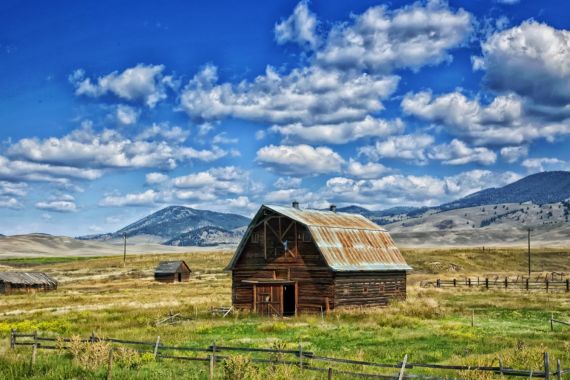
That is what locum tenens PA work in Montana actually looks like. The state has hundreds of miles between its small towns, a population that relies heavily on critical access hospitals for everything from routine care to emergencies, and a persistent shortage of providers willing to work in that environment. PAs fill the gap at site after site across the state.

Montana does not require a supervision agreement for PAs with substantial clinical experience, which means most providers WMS places are functioning with significant autonomy from day one. You are the clinical presence the community has, and that responsibility is taken seriously on both sides.

For PAs who want work that is genuinely consequential, in a state that earns its reputation, Montana is worth a close look.


The scope at most sites is broad. At a critical access hospital, a typical day might include morning rounds on inpatients, a walk-in clinic through the afternoon, and on-call availability for the ER. Patient populations skew toward the agricultural and ranching communities that define much of rural Montana, which means occupational injuries, chronic disease management in underserved populations, and occasional trauma requiring stabilization and transfer. Assignments are matched to your experience and background, so the scope reflects what you are actually prepared to handle.

Tribal and reservation-based clinic assignments offer a different pace. The work is primarily outpatient, with scheduled primary care and wellness visits, chronic disease management, and preventive services. These sites run on regular hours and tend to have more predictable daily structures than a CAH. The patient relationships build over time, and the assignments run long enough for that to happen.

What Montana rewards in a PA is clinical confidence, adaptability, and a genuine interest in the communities being served. Providers who approach these assignments as something more than a paycheck tend to come back.

Here is what is typically included in a Montana locum tenens PA assignment:

For many providers researching Montana locum tenens NP salary, the combination of a flexible assignment structure and reduced day-to-day living expenses while on location makes Montana locum work worthwhile, alongside everything else the experience offers.

Interested in exploring Montana locum tenens PA opportunities?

Connect with our team below or keep reading to learn more about what to expect.

Critical Access Hospitals (CAHs)

CAHs are the most common placement type for WMS-placed PAs in Montana. These small hospitals serve agricultural and ranching communities that may be an hour or more from the nearest larger facility. PAs at CAHs take on a comprehensive clinical role, covering inpatient rounds, walk-in clinic, long-term care patients, and ER call within the same assignment. Acuity can vary widely, and the ability to stabilize and coordinate a transfer when needed is part of the job. Most CAH rotations run one to two weeks, and many PAs build long-term rotational relationships with specific sites.

Tribal Health and Reservation-Based Clinics

WMS places PAs at clinics serving several of Montana’s seven federally recognized tribes. These assignments are outpatient-focused, centered on primary care, chronic disease management, and preventive services, with some school-based clinic work in certain areas. The pace is more structured than a CAH, and the patient relationships are central to the work. Assignments in tribal communities almost always run three to six months and are frequently extended, because the communities benefit most from a PA who is present long enough to understand the population. Providers who bring cultural humility and a willingness to listen find these placements among the most rewarding they have done.

Rural Health Clinics (RHCs)

Rural health clinics in Montana serve smaller communities that need consistent outpatient primary care but may not require hospital-level infrastructure. PAs at RHCs typically see a steady panel of patients, manage chronic conditions, handle urgent visits, and provide continuity of care in communities where that is otherwise hard to find. The schedule is more predictable than a CAH, and the work is well-suited to PAs who prefer a structured clinic environment without the on-call component.

School-Based Clinics

In some Central Montana communities, WMS places PAs at school-based clinics serving students, their siblings, and sometimes adult staff and community members. These assignments follow school schedules, carry a community health orientation, and offer a distinct practice environment for PAs with a background or interest in pediatric or public health settings. They are less common than CAH or tribal clinic placements but represent a genuinely different kind of rural medicine

Each setting offers a different experience, allowing physician assistants to explore Montana locum tenens opportunities that align with their comfort level and professional goals.

PAs practicing in Montana must hold a Montana PA license issued by the Montana Board of Medical Examiners. A complete application typically takes four to five weeks to process. One step that is unique to Montana is a required 15 to 20 minute interview with a Board member covering the laws and regulations governing PA practice in the state.

Basic requirements include:

  • Active NCCPA certification in good standing
  • Completed application submitted online or by paper
  • Board interview (15-20 minutes, scheduled as part of the application process)
  • Montana DEA registration prior to starting work
  • Supervision agreement if you have fewer than 8,000 hours of PA experience (most WMS-placed PAs are exempt)
  • Montana Independent Contractor Exemption Certificate (ICEC) — required for all 1099 contractors practicing in Montana

Montana does not issue temporary PA licenses, so planning ahead is essential. The ICEC is a Montana-specific requirement that functions as the state’s business license for independent contractors. WMS will walk you through both the supervision agreement determination and the ICEC process as part of onboarding.

Many providers choose to work with a staffing partner to help navigate the process and ensure everything is submitted correctly and on time.

For full details, visit the Montana PA Licensing Guide. [LINKKKKKKKKKKKKKK]

With the supervision agreement requirement waived for experienced PAs, the majority of WMS-placed providers are functioning autonomously from the start of their assignment.

The patient populations in Montana’s rural communities are ones that genuinely depend on the providers who show up. Farming and ranching families, Native American communities, elderly residents in small towns without specialist access, these are patients who notice when a provider is present and committed, and they remember when one is not. PAs who have worked in Montana often describe the patient relationships as some of the most meaningful of their careers, precisely because the need is real and the appreciation is direct.

Outside of work, Montana delivers on its reputation. Whether it is the mountain terrain of the west, the open river country of the east, or the ranching culture that runs through all of it, the state has a texture that urban practice settings do not offer. Providers who come to Montana for one assignment tend to find reasons to return.

6. Current Montana PA Job Openings

Browse current and upcoming NP opportunities across Montana below.

We are sorry, but there are currently no jobs to show.

Finding the right assignment in Montana is about fit as much as it is about the location.

Every community operates a little differently, and the experience can vary widely depending on the setting, the team, and the type of support in place. Having the right partner can make that transition smoother.

Wilderness Medical Staffing focuses specifically on placing providers in rural and remote communities, with over 15 years of experience supporting healthcare in Montana and Alaska.

During that time, we have placed providers across more than 155 communities and supported over 6,000 assignments in rural and remote settings.

Many of the providers we work with return to the same community assignment after assignment. In fact, over 80 percent of our providers choose to go back, building long-term relationships with both their teams and the communities they serve.

When you work with us, you are not just matched with an assignment. You are supported throughout the entire process, including:

  • Assignment matching based on your experience and preferences
  • Assistance with licensing and credentialing, including Montana ICEC guidance
  • Travel and housing coordination
  • Ongoing support before, during, and after your assignment

We take a relationship-based approach, working closely with providers to ensure each assignment is a good fit, not just on paper, but in practice.

We also build structured provider rotations for many of the communities we serve, a model that keeps the same nurse practitioners returning to the same sites and patients, creating the kind of continuity that one-off locum placements rarely achieve.

Whether you are exploring Montana for the first time or returning to a community you already know, we are here to help you find an assignment that feels right, both professionally and personally.

What Providers Say

8. Frequently Asked Questions

It depends on your experience level. As of February 2024, PAs with 8,000 or more hours of clinical experience prior to October 1, 2023, are exempt from the supervision agreement requirement. Most PAs WMS places meet that threshold. If you do need an SA, WMS will organize it with the facility after your first assignment is confirmed. You do not need to handle it yourself before licensing.

Most CAH shifts involve a combination of inpatient rounding, walk-in clinic coverage, and on-call availability for the ER. The patient mix tends to reflect the surrounding agricultural community, including occupational injuries, chronic disease management, and occasional emergency cases that need to be stabilized and transferred. You are typically the only provider on shift, so the ability to work independently and make sound triage decisions is essential.

CAH assignments typically run one to two weeks, with many PAs rotating back to the same site regularly over time. Tribal and reservation-based clinic assignments run three to six months and are often extended. The longer duration at tribal sites reflects the value those communities place on provider consistency. WMS will be clear about expected assignment length during the matching process.

Yes. Montana requires PA applicants to complete a brief interview with a Board member as part of the licensing process. While not a clinical evaluation, the interview typically runs 15 to 20 minutes and covers Montana’s laws and regulations governing PA practice. Most providers find it straightforward, and the Board is responsive if you have questions in advance.

Yes. The Montana Independent Contractor Exemption Certificate is required for all 1099 independent contractors working in the state. It functions as Montana’s version of a business license for independent contractors and must be active before you begin work. The ICEC is not a requirement most providers have encountered outside Montana. WMS will walk you through the process as part of your onboarding.

A complete application typically takes four to five weeks from submission. Montana does not issue temporary PA licenses, so starting the process early is important. The board interview is scheduled as part of the application, and the Board is generally responsive and easy to reach. For a full breakdown of the process, visit the Montana PA Licensing Guide.

Some independent practice experience is strongly preferred, particularly for CAH placements where you are the sole provider on shift. Tribal clinic assignments tend to be more structured and may be a better fit for PAs who are newer to independent practice. WMS will match you with assignments that align with where you are clinically and be direct with you about which placements are a realistic fit for your background.

Explore Montana PA Locum Tenens Opportunities

If you are considering locum tenens work in Montana, we would be happy to connect and help you explore current and upcoming opportunities.