
Montana Physician Locum Tenens Jobs

The call comes in just after 6 a.m. A farmer brought in overnight with chest pain, borderline labs, and no cardiologist within two hours. You review the chart, examine the patient, make the call on whether to transfer or watch, and document your reasoning. The day has not officially started yet.

Physician locum tenens work in Montana puts you at the center of clinical decisions that do not have a specialist two floors up or a rapid-response team down the hall. At the critical access hospitals and rural clinics where WMS places physicians, you are often the most senior medical presence on site. The decisions land with you.

Montana’s rural communities depend on physicians who are comfortable with ambiguity, capable across a broad clinical spectrum, and willing to practice in places where their presence has an outsized effect on patient outcomes.

WMS was founded by a healthcare provider who saw that need firsthand in these communities. That origin shapes how we approach every placement.

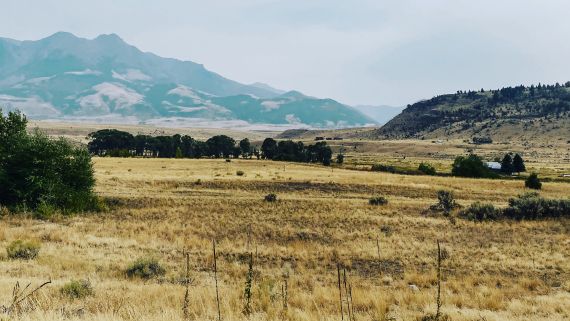
At a critical access hospital, a typical assignment involves a combination of inpatient rounding, walk-in or outpatient clinic, and ER coverage. Patient presentations range from chronic disease management to acute trauma requiring stabilization and transfer. The patient population reflects the agricultural character of rural Montana, including occupational injuries, ranching-related trauma, and the chronic health burdens common in underserved rural communities. Assignments are matched to your specialty and experience, so the scope of your role reflects what you actually do best.

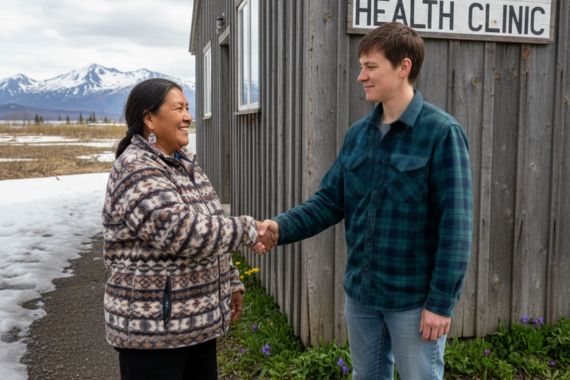
Tribal and reservation-based clinic assignments offer a different structure. The work is primarily outpatient, with a focus on primary care, preventive medicine, and chronic disease management for Native American communities. These assignments typically run longer than CAH rotations, typically three to six months, and they reward physicians who take the time to understand the community they are serving.

Across all settings, the facilities are small, the teams are tight, and the patients are genuinely appreciative of a physician who shows up committed. What this environment rewards is clinical confidence, sound independent judgment, and a willingness to practice medicine without the institutional scaffolding that urban hospitals provide.

Interested in exploring Montana locum tenens physician opportunities?

Connect with our team below or keep reading to learn more about what to expect.

Here is what is typically included in a Montana locum tenens physician assignment:

For many providers researching Montana locum tenens physician salary, the combination of a flexible assignment structure and reduced day-to-day living expenses while on location makes Montana locum work worthwhile, alongside everything else the experience offers.

Critical Access Hospitals (CAHs)

CAHs are the most common placement type for WMS-placed physicians in Montana. These small hospitals serve farming and ranching communities that may be an hour or more from the nearest referral center, and the physician on staff is often the most senior clinician in the building. Assignments typically involve inpatient rounding, walk-in or scheduled clinic, long-term care patients, and ER call. Acuity is unpredictable, and trauma patients who cannot be stabilized locally are medevacked to a regional center. Most CAH rotations run one to two weeks, and many physicians develop long-term rotational relationships with specific sites, returning on a consistent schedule over months or years.

Tribal Health and Reservation-Based Clinics

Montana is home to seven federally recognized tribes, and WMS places physicians at clinics serving several of these communities. The work is primarily outpatient primary care, with a strong emphasis on chronic disease management, preventive medicine, and relationship-based care for Native American patients. Some tribal clinic assignments include school-based components. These assignments almost always run three to six months and frequently extend, because continuity of care is central to the value a physician brings to these settings. Physicians who approach reservation-based work with cultural humility and genuine interest in their patients find these among the most meaningful assignments of their careers.

Rural Health Clinics (RHCs)

Rural health clinics across Montana provide consistent outpatient primary care to smaller communities that are underserved but do not necessarily require hospital-level infrastructure. Physicians at RHCs manage chronic conditions, handle urgent care needs, and provide the kind of longitudinal primary care that is otherwise scarce in these areas. The schedule is more predictable than a CAH, the on-call component is reduced, and the patient panel tends to build over the course of an assignment. These placements are well-suited to physicians who prefer a structured outpatient environment.

Each setting offers a different experience, allowing physicians to explore Montana locum tenens opportunities that align with their specialty, comfort level, and professional goals.

Physicians practicing in Montana must hold a Montana medical license issued by the Montana Board of Medical Examiners. A routine, complete application typically processes in approximately 30 days. Montana accepts the FSMB Uniform Application, which simplifies the process considerably for physicians who already have one on file.

Basic requirements include:

  • Active MD or DO degree from an accredited institution
  • Completed residency training and board certification in your specialty
  • Application submitted online, by paper, or via FSMB Uniform Application
  • Montana DEA registration prior to starting work
  • Registration with the Montana Prescription Drug Registry (MPDR) — required for all physicians authorized to prescribe
  • Montana Independent Contractor Exemption Certificate (ICEC) — required for all 1099 contractors practicing in Montana

The MPDR is a Montana-specific registration requirement that applies to all licensed physicians who prescribe or dispense. The ICEC functions as Montana’s business license for independent contractors and must be active before you begin work. Both are steps that providers new to Montana frequently overlook. WMS will walk you through each as part of the onboarding process.

Many providers choose to work with a staffing partner to help navigate the process and ensure everything is submitted correctly and on time.

For full details, visit the Montana Physician Licensing Guide.

In most of the facilities WMS staffs, there is no department head to defer to, no specialist available for a quick hallway consult, and no protocol that covers every scenario. The physician figures it out.

That level of clinical independence appeals to a specific kind of physician, one who trained broadly, has accumulated solid experience, and finds the constraints of large institutional medicine more limiting than clarifying. Rural Montana practice is not the right environment for everyone, but for physicians who want to use the full range of what they know, it offers a professional experience that is hard to replicate elsewhere.

The patient relationships matter too. Rural Montana patients are not accustomed to having a physician present and available, and the gratitude that comes with showing up and doing good work in these communities is different in character from what most urban practices offer. Physicians who have worked in these settings often describe the experience as a reminder of why they went into medicine in the first place.

Outside of work, Montana is a destination in its own right. World-class outdoor recreation, small communities with their own culture and history, and a pace of life that stands in deliberate contrast to academic medical centers. Providers who come once tend to find their way back.

6. Current Montana Physician Job Openings

Browse current and upcoming physician opportunities across Montana below.

Every community operates a little differently, and the experience can vary widely depending on the setting, the team, and the type of support in place. Having the right partner can make that transition smoother.

Wilderness Medical Staffing was founded by a healthcare provider who saw firsthand the gap between what rural communities needed and what the healthcare system was providing. That origin shapes everything about how we work, from how we match physicians to sites to how we support them through each assignment.

Over more than 15 years, we have placed providers across more than 155 communities and supported over 6,000 assignments in rural and remote settings.

Many of the physicians we work with return to the same community assignment after assignment. In fact, over 80 percent of our providers choose to go back, building long-term relationships with both their teams and the communities they serve.

When you work with us, you are not just matched with an assignment. You are supported throughout the entire process, including:

  • Assignment matching based on your specialty, experience, and preferences
  • Assistance with licensing and credentialing, including MPDR registration and Montana ICEC guidance
  • Travel and housing coordination
  • Ongoing support before, during, and after your assignment

We take a relationship-based approach, working closely with physicians to ensure each assignment is a good fit, not just on paper, but in practice.

We also specialize in building long-term rotation schedules for the communities we serve, a staffing model rooted in the rural West that keeps the same physicians returning to the same patients, combining the flexibility of locum work with the consistency communities depend on.

Whether you are exploring Montana for the first time or returning to a community you already know, we are here to help you find an assignment that feels right, both professionally and personally.

What Providers Say

8. Frequently Asked Questions

WMS places physicians across a range of primary care and general medicine specialties, including family medicine, internal medicine, emergency medicine, and general surgery, depending on the facility and its needs. Assignments are matched to your specialty and experience level, so the scope of your role reflects what you are actually trained and practiced in. If you are unsure whether your background is a fit for Montana placements, reach out and we can talk through what is available.

Most CAH assignments involve a combination of inpatient rounding, walk-in or scheduled clinic coverage, long-term care patients, and ER call. You are typically the most senior, and often the only, physician on site during your shift. Patient presentations range from routine primary care to acute presentations that require stabilization and transfer to a regional center. The mix keeps the work varied and clinically engaging, but it requires a physician who is comfortable working independently across multiple care settings.

CAH rotations typically run one to two weeks, with many physicians building recurring schedules at sites they know. Tribal and reservation-based clinic assignments run three to six months and are frequently extended. The longer duration at tribal sites is built into how those assignments are structured, because consistency of provider presence is central to the quality of care those communities receive.

Yes. Montana accepts the Federation of State Medical Boards Uniform Application, which can significantly reduce the administrative burden for physicians who already have one on file or are applying in multiple states simultaneously. A routine, complete application typically takes about 30 days to process. For a full breakdown, visit the Montana Physician Licensing Guide.

Yes. The Montana Prescription Drug Registry is a state-required registration for all licensed physicians authorized to prescribe or dispense prescription drugs. The MPDR registration is a Montana-specific step that is separate from your DEA registration and must be completed before you begin prescribing in the state. WMS will walk you through this as part of your onboarding. Learn more about this step in our Montana Physician Licensing Guide.

Yes. The Montana Independent Contractor Exemption Certificate is required for all 1099 independent contractors working in Montana. It functions as the state’s business license for independent contractors and must be active before you begin your assignment. Most physicians have not encountered this requirement in other states. WMS handles this guidance as part of the credentialing and onboarding process. Learn more about ICEC in our Montana Physician Licensing Guide.

It depends on the placement. CAH assignments that include ER coverage require a physician who is comfortable managing acute presentations independently, including stabilization and transfer decisions. Tribal clinic and RHC assignments are more outpatient-focused and may be appropriate for physicians with strong primary care backgrounds but less emergency experience. WMS will match you with assignments that fit your actual clinical background and will be direct with you about which placements are a realistic fit.

Explore Montana Physician Locum Tenens Opportunities

If you are considering locum tenens work in Montana, we would be happy to connect and help you explore current and upcoming opportunities.