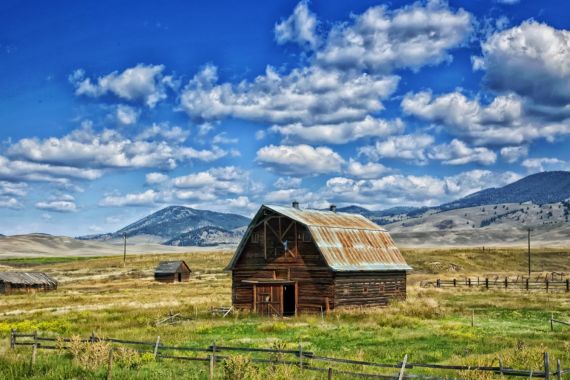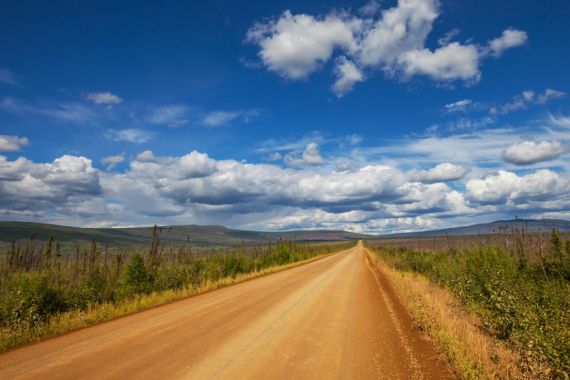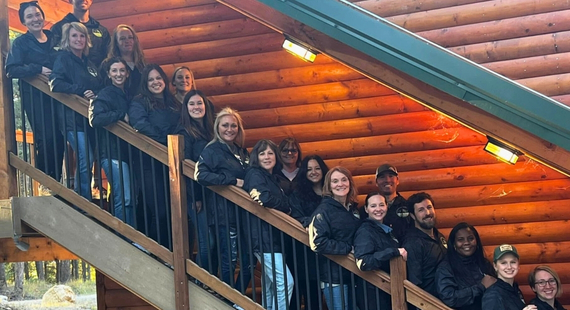

Montana Nurse Practitioner Locum Tenens Jobs

The waiting room at the CAH was already half full when you arrived for your shift. Ranchers, a few school-aged kids, an elderly woman who drove forty-five minutes from her property to be seen. By mid-morning you had moved from a walk-in with a laceration to an inpatient round to a phone consult with a specialist three hours away.

That kind of day is common for nurse practitioners working locum tenens in Montana. The state is large, the communities are spread out, and the providers willing to cover them are never quite enough. NPs fill that gap in a meaningful way, often serving as the primary clinical presence in communities that would otherwise go without.

Montana is a full practice authority state, which means NPs here practice without a required physician collaboration agreement. In the communities WMS staffs, that autonomy is not a policy detail. It shapes every shift.

For NPs who want to practice at full scope, in places where the work matters, Montana delivers both.

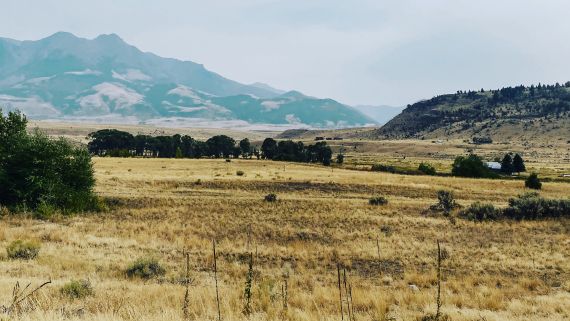
The day-to-day scope varies by site, but full practice authority means you are making independent clinical decisions throughout. At a critical access hospital, that might mean managing an inpatient census while covering a walk-in clinic and staying on call for the ER. At a tribal health or reservation-based clinic, the work is more scheduled and outpatient-focused, with a strong emphasis on chronic disease management, preventive care, and continuity with patients you will come to know over a longer assignment.

Facilities range from small CAHs with limited diagnostic resources to school-based and community wellness clinics with regular hours and predictable schedules. The pace and acuity shift considerably depending on where you are placed, but the common thread across all of them is that providers are genuinely needed and patients are genuinely appreciative.

What succeeds in Montana is an NP who is comfortable making decisions independently, adaptable to settings that do not always have backup nearby, and willing to show up fully in a community where your presence has real weight.

Here is what is typically included in a Montana locum tenens NP assignment:

For many providers researching Montana locum tenens NP salary, the combination of a flexible assignment structure and reduced day-to-day living expenses while on location makes Montana locum work worthwhile, alongside everything else the experience offers.

Interested in exploring Montana locum tenens CRNA opportunities?

Connect with our team below or keep reading to learn more about what to expect.

Critical Access Hospitals (CAHs)

CAHs are the backbone of rural healthcare in Montana, and they are where many WMS-placed NPs spend their time. These small hospitals, typically 25 beds or fewer, serve farming and ranching communities that are often an hour or more from the nearest larger facility. NPs working at CAHs cover inpatient rounding, a walk-in clinic, long-term care patients, and ER call. Acuity can be unpredictable, and trauma patients who cannot be stabilized locally are medevacked to a regional trauma center. These assignments run shorter, most often one to two weeks, and many providers return to the same site on a recurring basis.

Tribal Health and Reservation-Based Clinics

Montana is home to seven federally recognized tribes, and WMS places NPs at clinics serving several of these communities. The work is primarily outpatient, centered on primary care, chronic disease management, and preventive services. School-based clinics on reservation land are also part of the mix in some areas. These assignments are among the most relationship-driven WMS offers, and they run long as a result, typically three to six months, with many providers choosing to extend. Providers who approach these placements with cultural humility and patience often find them among the most professionally meaningful assignments they have done.

Rural Health Clinics (RHCs)

Rural health clinics in Montana serve smaller agricultural communities that need a consistent outpatient presence but may not have the volume or infrastructure of a CAH. NPs at RHCs typically see a steady panel of primary care patients, manage chronic conditions, and handle urgent needs that do not require hospital-level resources. The pace is generally more predictable than a CAH, and the patient relationships tend to build over time. These sites are a good fit for NPs who prefer a structured clinic environment.

School-Based Clinics

In some Central Montana communities, WMS places NPs at school-based clinics that serve students, their siblings, and sometimes adult staff and community members. These assignments tend to follow school schedules and carry a strong community health orientation. They are less common than CAH or tribal clinic placements but offer a distinct and rewarding practice environment for NPs with a background or interest in pediatric or community health.

Each setting offers a different experience, allowing CRNAs to explore Montana locum tenens opportunities that align with their comfort level and professional goals.

NPs practicing in Montana must hold a Montana APRN license issued by the Montana Board of Nursing. The application process typically takes four to five weeks from receipt of a complete submission, though fingerprint processing is often the step that causes delays, so starting early matters.

Basic requirements include:

  • Active RN license in good standing (compact RN license accepted in lieu of Montana RN license)
  • Completion of an accredited NP program and national certification
  • Fingerprint-based federal background check
  • Prescriptive authority endorsement (required separately)
  • Montana DEA registration prior to starting work
  • Montana Independent Contractor Exemption Certificate (ICEC) — required for all 1099 contractors practicing in Montana

The ICEC is a Montana-specific requirement that functions as the state’s business license for independent contractors, but not required in most other states, so providers new to Montana often miss it. WMS will walk you through this step as part of the onboarding process.

Many providers choose to work with a staffing partner to help navigate the process and ensure everything is submitted correctly and on time.

For full detail, visit the Montana NP Licensing Guide. [LINKKKKKKKKKKKK]

For NPs who have spent time in more restrictive practice environments, that distinction is significant. It means your clinical judgment is the standard, not a variable that depends on physician availability or agreement terms.

The communities WMS places NPs in are ones where that autonomy is not just permitted but necessary. There is often no physician on site. There is no backup around the corner. The NP is the provider, and the community’s access to care depends on that person showing up and being capable. Providers who have done this work describe it as some of the most professionally clarifying of their careers.

Outside of work, Montana is its own draw. The state offers world-class outdoor recreation across every region, from the Rockies and Glacier in the west to the open plains and river country of the east. The communities are tight-knit, the pace is different from urban practice, and the Big Sky lives up to its name. Providers who come once tend to come back, for the work and for the place.

6. Current Montana NP Job Openings

Browse current and upcoming NP opportunities across Montana below.

We are sorry, but there are currently no jobs to show.

Finding the right assignment in Montana is about fit as much as it is about the location.

Every community operates a little differently, and the experience can vary widely depending on the setting, the team, and the type of support in place. Having the right partner can make that transition smoother.

Wilderness Medical Staffing focuses specifically on placing providers in rural and remote communities, with over 15 years of experience supporting healthcare in Montana and Alaska.

During that time, we have placed providers across more than 155 communities and supported over 6,000 assignments in rural and remote settings.

Many of the providers we work with return to the same community assignment after assignment. In fact, over 80 percent of our providers choose to go back, building long-term relationships with both their teams and the communities they serve.

When you work with us, you are not just matched with an assignment. You are supported throughout the entire process, including:

  • Assignment matching based on your experience and preferences
  • Assistance with licensing and credentialing, including Montana ICEC guidance
  • Travel and housing coordination
  • Ongoing support before, during, and after your assignment

We take a relationship-based approach, working closely with providers to ensure each assignment is a good fit, not just on paper, but in practice.

We also build structured provider rotations for many of the communities we serve, a model that keeps the same nurse practitioners returning to the same sites and patients, creating the kind of continuity that one-off locum placements rarely achieve.

Whether you are exploring Montana for the first time or returning to a community you already know, we are here to help you find an assignment that feels right, both professionally and personally.

What Providers Say

8. Frequently Asked Questions

Yes. Montana is a full practice authority state, meaning NPs can assess, diagnose, treat, and prescribe independently without a required physician collaboration agreement. In the rural and remote settings WMS staffs, that autonomy is the norm. You will function as the primary clinical decision-maker at most sites.

The most common placements are critical access hospitals and tribal or reservation-based clinics. CAHs involve a mix of inpatient rounding, walk-in clinic, and ER coverage. Tribal and reservation clinics are outpatient-focused with a primary care and chronic disease orientation. Some assignments include rural health clinics and school-based clinic settings. WMS will match you with the type of facility that fits your background and preferences.

It depends on the facility type. CAH assignments typically run one to two weeks, and many NPs rotate back to the same site on a regular schedule. Tribal and reservation clinic assignments run much longer, commonly three to six months, because those communities benefit from provider continuity. Some NPs extend well beyond their initial term once they settle in.

Some independent practice experience is strongly preferred, particularly for CAH placements where you may be the only provider on shift. That said, Montana’s settings vary, and tribal clinic assignments tend to offer more schedule structure and predictability. WMS works to match your experience level with the right site, and we will be direct with you about which placements are a realistic fit.

Yes. The Montana Independent Contractor Exemption Certificate is a state-required document for anyone working as a 1099 independent contractor in Montana. The ICEC is Montana’s version of a business license for independent contractors, and you must have an active ICEC before starting work, even though most providers have not encountered it in other states. WMS will walk you through the process as part of your onboarding.

Yes, for the majority of assignments. Housing is arranged for the duration of your time on location, and travel is coordinated as part of the assignment. Montana is road-accessible throughout, so most placements involve a drive from a regional airport rather than charter flight logistics. WMS handles the coordination so you can focus on the assignment itself.

Explore Montana NP Locum Tenens Opportunities

If you are considering locum tenens work in Montana, we would be happy to connect and help you explore current and upcoming opportunities.