“Do What You Have to Do”: The Daily Life of a Locum Tenens Nurse Practitioner in Rural Southwest Alaska
When most people picture a nurse practitioner’s day, they imagine a familiar rhythm: a full schedule, a support team down the hall, specialists a phone call away, and productivity metrics quietly humming in the background.
Now imagine walking into a small clinic where the schedule is empty at 8:00 a.m, and completely full by 8:30. Imagine knowing that if something critical happens, you are the highest level of care in the building.
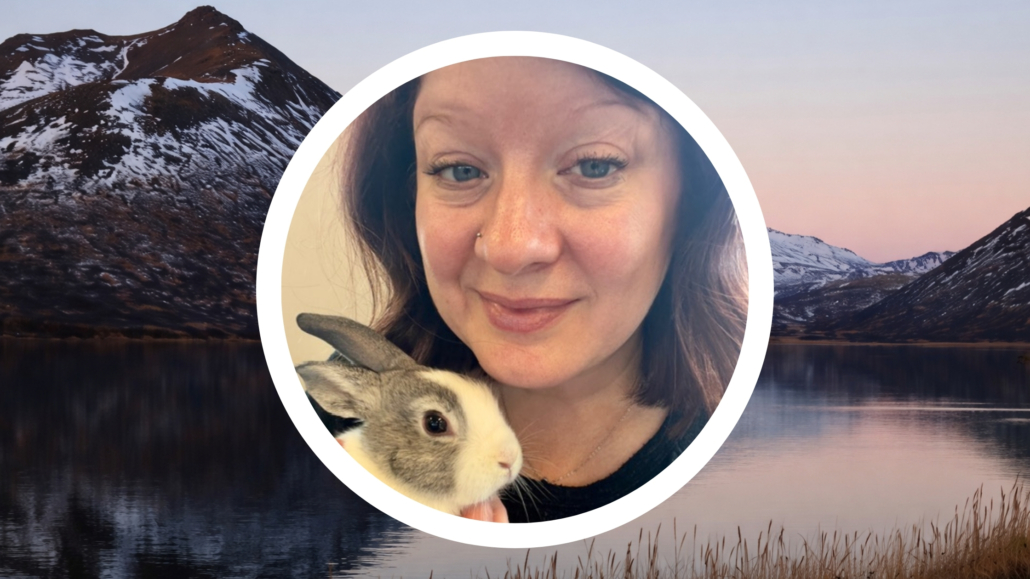
This is daily life for Sarah Kelley, an FNP practicing in Southwest Alaska (among other locations). After years in ER and flight nursing, Sarah made the move into rural medicine more than three years ago. She wasn’t looking for easier work. She was looking for meaningful work, and rural healthcare delivers exactly that.
The Reality of Locum Tenens NP Jobs in Alaska
In Sarah’s current southwest Alaska community, there is no road system connecting the village to the next town. If a patient needs higher-level care, they leave by plane. When the weather turns, plans change… sometimes for days. 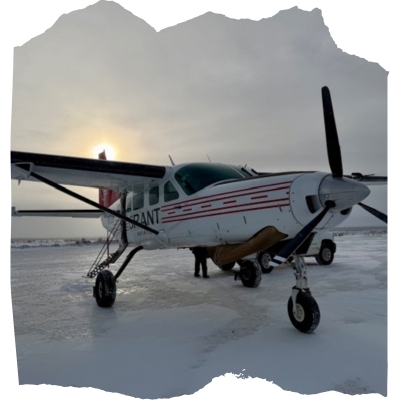
“The weather’s a factor,” Sarah says, matter-of-factly.
That factor can mean winds strong enough to ground aircraft, volcanic ash drifting through the air and worsening respiratory issues, or weeks without consistent flights. In one community, planes were delayed for nearly 20 days. Medications had to be rationed carefully. Patients received only a few days’ supply at a time while the clinic waited for transport to resume.
In a large hospital system, bad weather might mean a delayed shift change. In remote Alaska, it can mean managing a patient far longer than anticipated, adapting treatment plans in real time, and preparing for every possible contingency.
Patients understand this reality because they live it, too. There’s less frustration from them than you might expect, and often more resilience.
Scope of Practice for a Rural Alaska Nurse Practitioner
On the surface, the day begins like any other clinic day. Sarah clocks in, reviews messages, and checks her charts. Appointments are largely same-day, so her schedule may start blank and fill quickly.
The cases range widely. A sports physical. A chronic cough that hasn’t resolved. A patient worried about cancer. An ATV accident. A fishing injury. A child with a fever.
“You have to know a little bit of everything,” she says. “Primary care, emergencies… it’s kind of all of it.”
Even communication requires adjustment. Here in tribal communities, English is often blended with local language, and accents can take time to understand. Regional terminology also matters. Here, if someone says they “wrecked their bike,” Sarah has learned to clarify. It likely wasn’t a bicycle, but an ATV.
Rural medicine demands more than clinical knowledge. It requires careful listening, cultural awareness, and the humility to slow down.
Wearing Every Hat – And a Few You Didn’t Expect
Unlike providers in large systems who practice within narrow lanes, rural clinicians operate across the full spectrum of care.
Sarah manages diabetes, rheumatoid arthritis, asthma, and chronic gastrointestinal conditions, while also treating acute injuries and infections. Certain conditions appear more frequently in this region, including higher rates of H. pylori and GI cancers. That means subtle symptoms are taken seriously, and preventive screening often begins earlier. Knowing the health risks specific to the population you’re working with is essential out here. This knowledge often comes with time and experience in the field.
Fishing-related injuries come with their own set of bacterial risks, requiring targeted antibiotics to ward off infections, like vibriosis. Severe hypothermia is not uncommon in communities where boating is part of everyday life. Clinics are (usually) equipped with warming devices and IV fluid warmers because they have to be. Sarah also notes she’s had days where she acts as janitor and mops the floors – someone has to do it!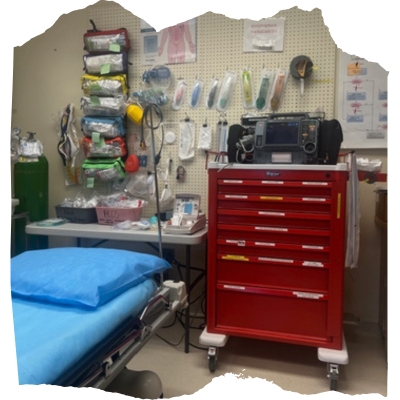
And sometimes, the “hats” go beyond human medicine.
Sarah has been asked to collect volcanic ash samples after nearby eruptions so researchers could analyze air quality and impact. She has treated injured dogs in communities where veterinary access is limited; once even consulting with a veterinarian over the phone in Anchorage to determine which medications available in the clinic could be safely used.
“I remember thinking, am I being punked?” she says, laughing. “But when there’s no one else, you do what you can.”
In remote settings, the clinic is often one of the only places with medical supplies and trained professionals. While there are clear boundaries and permissions involved, these moments highlight something essential about rural practice: you serve the community in the ways that are needed, not just the ways that are expected.
When You’re the Highest Level of Care
In many of the communities where Sarah has worked, she has been the highest level of medical provider on site. Sometimes she has been entirely solo. Equipment varies by location. Some clinics have cardiac monitors and X-ray capabilities; others have only the essentials. Formularies are tight, and knowing what is physically available becomes part of clinical decision-making.
Before starting an assignment, Sarah reviews everything: airway supplies, crash cart contents, medication inventory. She makes sure the team knows their roles if a critical case walks through the door; because sometimes, it does.
She has managed advanced airways, placed intraosseous lines, and coordinated with referral hospitals during prolonged weather delays. In one case, a patient waited nearly 29 hours for transport because high winds grounded the helicopter.
“You can’t get worried. You can’t make people worried,” Sarah says. “You just have to do what you have to do.”
For providers who feel constrained by bureaucracy or layered approvals, this level of responsibility can feel both sobering and empowering. Your judgment matters, your training matters. There is no one else to pass it to.
Practicing With, Not Over, the Community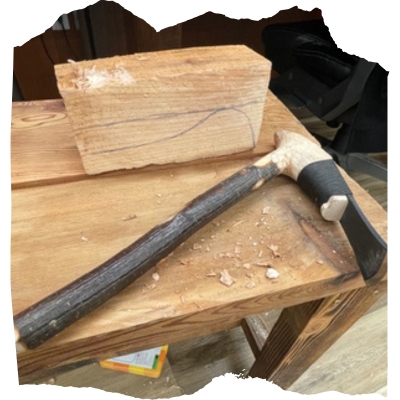

One of the biggest misconceptions about rural locum work is that outside providers “come in to fix things.” Sarah sees it differently.
“You’re going into someone’s home,” she says. “You are a guest. The rules were there before you got there.”
Local health aides often serve as the backbone of care in these communities. They know the patients. They understand the culture. Thriving here requires partnership, not hierarchy.
Sarah makes a point not to demand special treatment. She doesn’t ask for a preferred office or specific setup. “I want whatever everybody always has,” she says. That mindset builds trust quickly, and that trust shows up in unexpected ways.
During extended emergencies, community members have brought food to clinic staff and asked what they could do to help. Outside of work, Sarah has been invited to cultural classes (like bowl carving and earring-beading), local events, and was even asked to judge a beauty pageant. In small communities, you aren’t just the provider, you’re a neighbor.
The Parts People Don’t Post About
Rural practice is deeply rewarding, but it is not without its challenges.
Travel from the lower 48 can take 15 hours or more. Providers typically have three checked bags, and every pound counts on bush planes. One may hold winter gear and boots; and Sarah stresses that quality gear is essential. Be sure to invest in gear before venturing out. You cannot rely on finding what you need once you arrive. Another bag may hold food or personal comforts. 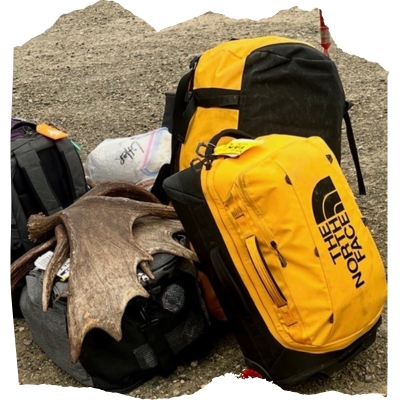
Housing varies. Sometimes it’s attached to the clinic. Sometimes it’s a separate cabin… sometimes it’s a cot in the clinic. Not ideal for most providers, Sarah admits, but housing is a serious constraint in these communities, and you make do with that they have. Internet access may be limited. Severe weather can keep you indoors for days at a time.
“There’s only so much Netflix you can watch,” Sarah says with a laugh.
She brings projects and small comfort items, like the electric blanket she can’t live without, to make the experience feel more like home. Over time, you learn what you need to feel grounded.
Benefits of Autonomous Remote Healthcare Careers
When asked what kind of provider succeeds in rural Alaska, Sarah doesn’t hesitate.
Someone flexible. Clinically solid. Comfortable with ambiguity. Willing to work across age groups and complaint types. Someone who respects the staff and the community they’re entering.
“You can’t go into a place and think you’re going to fix everything,” she says.
You also can’t be rigid about hours or easily rattled by unpredictability. Some days are steady. Others are quiet. The pace is different from volume-driven urban systems, but the responsibility is significant. This work isn’t about speed; it’s about stewardship.
Cultural Immersion and Community Impact as a Travel NP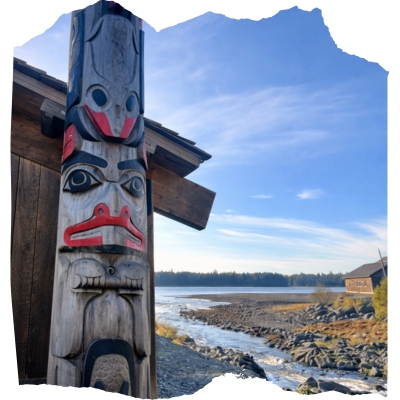
Despite long travel days and occasional isolation, Sarah is clear about why she continues.
“I love this job,” she says. “I love Alaska. That’s why I moved here.”
She values the challenge and the autonomy. She appreciates practicing medicine without constant pressure to increase throughput or hit productivity targets.
For experienced providers who feel worn down by corporate healthcare culture, rural practice offers something many haven’t felt in years: the chance to practice broadly, think critically, and build real relationships in the communities they serve.
At Wilderness Medical Staffing, we don’t just fill shifts, or throw any provider into the wild. We connect providers with places where their skills matter deeply. If Sarah’s story resonates, if you’ve been craving medicine that feels more personal, more hands-on, and more impactful; our recruiters would love to talk with you.
Rural healthcare isn’t easier, but for the right provider, it can be the most meaningful chapter of your career.